Does Croatia Make Good Wine?
A careful, evidence-based answer on Croatian wine quality, from Plavac Mali and Dingač to Konavle's revived Malvasija Dubrovačka, with the Dubrovnik tasting tours that pour them.
Yes, and the strongest evidence is local. Croatia grows native grapes found nowhere else, and two of them, Dingač and Postup from Pelješac, are among Croatia's first protected wine origins, both made from 100 percent Plavac Mali. Near Dubrovnik, Konavle's white Malvasija Dubrovačka has been revived from near extinction, with a clone recognised in 2024. Quality claims stop there: no medals, no rankings, just grapes with documented standing and tastings you can book.
The question deserves a careful answer rather than a cheerleading one. Croatia does not need a "world class" label to be worth a wine traveller's time. It needs identifiable grapes, protected origins and wineries you can actually visit, and around Dubrovnik all three are within a day trip. The grape that carries most of the red wine story here is Plavac Mali, a native Dalmatian red variety related to Zinfandel, grown on the steep southern slopes of Pelješac. You can read the background in this guide to Plavac Mali, Dingač and Postup.
Dingač and Postup are the names to know. They sit on the southern side of the Pelješac peninsula, and they are among Croatia's first protected wine origins, a status that ties the name on the bottle to a specific place and a single grape, Plavac Mali, as outlined in this guide to Dingač and Postup wines. That is the structural reason Croatian reds deserve attention: the quality claim is not a marketing line, it is a legal and geographic one. The grape itself is described in more detail in this overview of the Plavac Mali variety.
The practical follow-up question for anyone staying in Dubrovnik is how to taste these wines without driving. The Peljesac Wine Only, No Lunch tour by Feel Dubrovnik, covered in the Pelješac wine tour from Dubrovnik guide, is one straightforward option: a guided tasting of up to 4 wines in each winery, 7 to 8 hours, rated 5 across 8 reviews, a small number of reviews, from €235 per person, minimum age 18, with lunch not included. You can check availability if that structure suits your group.
Which Croatian Wines Should You Try Near Dubrovnik?
Start with Plavac Mali from Pelješac, ideally under the Dingač or Postup origin names, then move to the white side with Malvasija Dubrovačka from Konavle. Dingač and Postup are among Croatia's first protected wine origins, made from 100 percent Plavac Mali, a native Dalmatian red. Malvasija Dubrovačka is a Konavle white revived from near extinction, with a clone recognised in 2024; it is not a protected origin, and no one here claims it is.
Plavac Mali is the engine of the southern Croatian red story. It is a native Dalmatian red grape, and the best-known expressions come from the steep slopes above the sea on Pelješac, where Dingač and Postup are the two origin names to look for on labels. The protection matters for a visitor because it gives you a shortcut: if a menu or a tasting list names Dingač or Postup, you know the grape, the place and the production rules before the glass arrives. You do not need to memorise vintages or producers to order well.
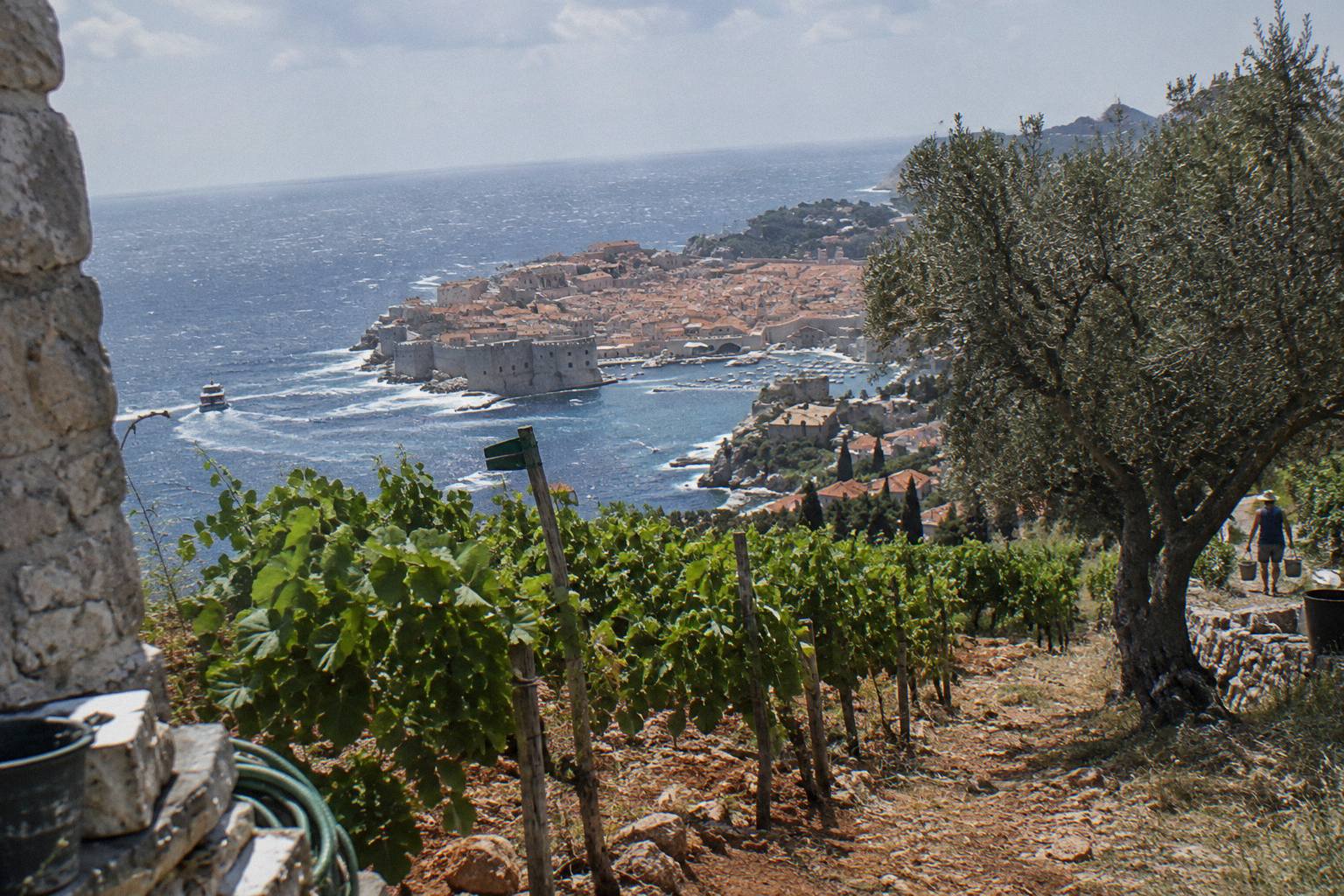
The white side of the region is a genuinely good story. Malvasija Dubrovačka is a Konavle white variety that was brought back from near extinction, and a selected clone of the variety was officially recognised in 2024, as reported in this report on the recognised Malvasija Dubrovačka clone. The variety's background is set out by a Konavle producer on this Malvasija Dubrovačka page. One caution travels with it: it is not a protected origin, so do not expect the Dingač-style guarantee, expect an aromatic white with a local identity and a recent revival behind it.
Konavle, the valley and hill country southeast of Dubrovnik, is where that white grape lives, and it is also where several local tours pour it. The Half-Day Wine Tasting And Cavtat tour by Travel agency City of Stone meets in Cavtat and visits a Konavle Valley family winery for a wine and food tasting of about an hour and a half, with homemade wines and liqueurs plus prosciutto, cheese and olives, from €111 per person. If you want the wider food-and-wine picture of the valley, the Konavle wine and food day trip guide lays out the options.
The practical answer for a short stay: order a Dingač or Postup red with dinner, then book one tasting that puts Konavle white in the same day. That combination answers the question "does Croatia make good wine" with your own palate rather than with anyone's ranking.
How Do You Taste Croatian Wine From Dubrovnik Without Driving?
Book a tour that includes transport, because Croatia's drink-drive limit is 0.5 per mille, and 0.0 applies to drivers under 24 and to novice and professional drivers. The Pelješac wine day trips from Dubrovnik include air-conditioned transport and a driver or guide, run roughly 7 to 9 hours, and cost from €115 to €299 per person. Tastings are included on some rows and paid separately on others, so the inclusions decide which one suits you.
The lineup is broad enough that the deciding factor is what is included, not whether you can get there. On the Pelješac side, the Wine Tasting, Ston Village Day Trip by Super Tours is the entry-level group option: wine tasting at 3 family-run Pelješac wineries, a walking tour of Ston's walls, hotel pickup and drop-off, 8 to 9 hours, from €115 per person, rated 4.6 across 29 reviews, with food and drinks excluded. At the private end, the Private Wine Tour, Tastings Only by DORIA Ltd runs 7 to 8 hours from €299 per person, rated 5 across 74 reviews, minimum age 18, covering the medieval town of Ston, Pelješac reds including Dingač and Postup in the listing text, and an olive oil stop, with lunch and any Ston walls or salt pans entrance tickets excluded.
| Tour | Operator | Duration | From | Tastings included? | Rating |
|---|---|---|---|---|---|
| Wine Tasting, Ston Village Day Trip | Super Tours | 8 to 9 hours | €115 per person | Yes, at 3 wineries | 4.6 across 29 reviews |
| Private Wine Tasting, No Lunch | Cava tours Dubrovnik | 8 to 9 hours | €225 per person | No, paid separately | 5 across 67 reviews |
| Private Wine Tour, Tastings Only | DORIA Ltd | 7 to 8 hours | €299 per person | Yes, with olives and olive oil | 5 across 74 reviews |
| Sunset Vineyard Wine Tasting | Vardia | 3 hours | €90 per person | Yes, with house liqueurs | 5 across 103 reviews |
Between the group and private ends sits the option from Cava tours Dubrovnik. The Private Wine Tasting, No Lunch tour runs 8 to 9 hours, from €225 per person, rated 5 across 67 reviews, with a visit to a traditional winery and the chance to meet local winemakers. Note the structure: the tastings are paid separately and lunch is not included, so the headline price is transport and guiding, not the wine. That is not a flaw, it is a pricing style, and comparing it fairly means counting the extras on both sides.
There are two pricing bases to keep apart. Most rows are per person, but a couple of private tours are priced per vehicle, for example Simply H's Private Wine And Oysters, Per Vehicle at from €750 per vehicle, with optional tastings paid on the day at €40 per person per winery and a €60 per person oyster experience. A per-vehicle price cannot be compared with a per-person price; only the final per-head math for your own group can settle which is cheaper, and that depends on how many of you there are.
The evening alternative suits anyone who wants wine without giving up a full day. The Sunset Vineyard Wine Tasting by Vardia visits the vineyard nearest Dubrovnik at sunset, with a craft white wine tasting, walnut liqueur, olive oil, homemade bread and Adriatic pie, over 3 hours with transport included, from €90 per person, rated 5 across 103 reviews. The full range of options, evening and daytime, is laid out in the Dubrovnik wine tasting and wine tours guide.
What Makes Pelješac The Wine Peninsula To Visit?
Pelješac combines the two protected red origins, Dingač and Postup, both made from 100 percent Plavac Mali, with a cluster of family wineries that accept visits, all within about an hour of Dubrovnik. Its southern slopes grow Plavac Mali, a native Dalmatian red, and the peninsula pairs wine with Ston's salt pans and oyster farms, so one day trip covers wine, shellfish and a walled medieval town. The tours that go there run from 4 to 9 hours.
The geography is what makes Pelješac work as a wine destination. The Dingač and Postup slopes face the sea and take hard sun, which is the classic setting for Plavac Mali, and the wineries are small, family-run and close together, so a day trip can reach three of them without long transfers. The Super Tours day trip named above visits three family-run wineries; the Feel Dubrovnik tour pours up to 4 wines in each winery; the DORIA private tour adds the olive oil stop. Same peninsula, three different structures.
The pairing with Ston is the other half of the appeal. Mali Ston Bay farms the European flat oyster and the Mediterranean mussel in a protected marine area with centuries of shellfish farming, according to the official Ston page on oyster farm visits, and the oysters reach market size in about 2 to 3 years, per the farm's description of its farming cycle. The Ston Walls, about 5.5 km, were built from the 14th century by the Republic of Ragusa to protect the salt pans. A wine day that also includes a boat ride to an oyster farm is a very Croatian kind of afternoon, and the Ston oyster tour guide covers the oyster-led versions in detail.
If oysters are the point rather than an add-on, the Private Oysters And Wine, All Inclusive tour by Dubrovnik Tour Guide is the one row whose own title says all inclusive: Ston and the salt works, a boat ride to the oyster farm, and a family winery, 6 hours, from €340 per person, rated 5 across 86 reviews, minimum age 12. The Oyster And Mussels Lunch Boat Tour by Travel agency City of Stone is the group alternative, 5 to 6 hours with lunch included, from €138 per person, rated 4.8 across 35 reviews. For the wine-first visitor, though, Pelješac's own tasting rows are the reason to cross the peninsula, and the Pelješac wine tours compared page lays them side by side.
What Should You Watch Out For When Booking A Wine Tasting?
Read the inclusions line before the price. Several Pelješac tours price tastings separately: the Cava tours row pays tastings on the day, and the Simply H per-vehicle row charges €40 per person per winery. Age limits vary from 18+ on several wine rows to 16 on the Oyster Farm And Winery tour. Croatia serves and sells alcohol from age 18, and each tour's own age line governs, so check it before booking for younger guests.
The first trap is the headline price. From €115 per person with tastings included at three wineries, as on the Super Tours row, and from €225 per person with tastings paid separately, as on the Cava tours row, are not the same kind of number. Add up the extras before comparing, and remember that a per-vehicle price, like the €750 Simply H row, only makes sense once you divide it by your own headcount, which the per-person rows never require.
The second trap is age. Croatia sells and serves alcohol from 18, and the wine rows state their own limits: 18+ on the Feel Dubrovnik Pelješac tour, the BreatheInCroatia private tour, the DORIA private tour and the Maritimus Travel oyster and wine trip; 16+ on the Dubrovnik Wine Tours oyster farm and winery row; 12+ on the two Dubrovnik Tour Guide private rows. If your group includes teenagers, the row's own age line decides, not a general assumption.
The third trap is assuming a meal. The Feel Dubrovnik and DORIA rows state plainly that lunch is not included, the Super Tours row excludes food and drinks, and only rows like the Konavle Village Lunch And Wine by Magical Croatia, from €200 per person, rated 4.8 across 35 reviews, with lunch included, feed you as part of the day. On the private oyster side, the Ston Oysters, Lunch Paid On Day tour by Dubrovnik Tours - Horizon makes the structure explicit in its name: the farm lunch is paid in cash on the day, and the boat and winery fees sit outside the from €185 per person price. Questions like this, cost and content, are the ones answered in how much a Dubrovnik food tour costs.
The fourth is timing. Wine tours here run from a 3-hour sunset tasting to a 9-hour full peninsula loop. A wine day trip is a long commitment in summer heat, and the sunset option exists precisely for visitors who would rather spend the daytime on something else. If you are weighing whether the spend is justified at all, the is a Dubrovnik food or wine tour worth it breakdown covers the arithmetic.
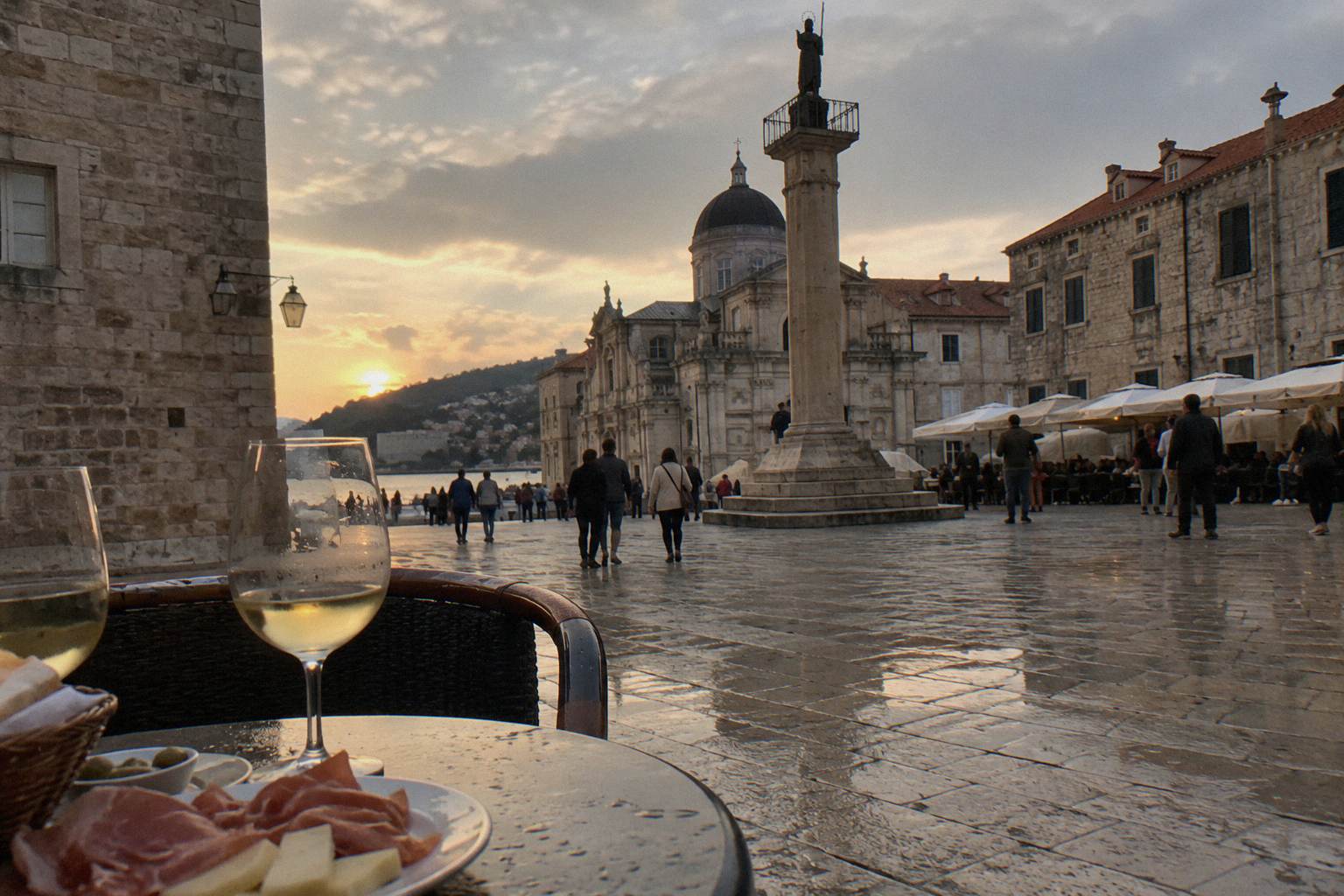
Where Does The Honest Case For Croatian Wine Stop?
The honest case stops at specifics: native grapes, protected origins and visitable wineries. This page makes no medal claims, no rankings and no "world class" assertions, because none are needed. What the record supports is narrower and more useful: Dingač and Postup are among Croatia's first protected origins, Plavac Mali is a native red, Malvasija Dubrovačka is a revived Konavle white, and the local tours pour all of them.
A careful answer to "does Croatia make good wine" resists the temptation to oversell. The region around Dubrovnik, as covered by Dubrovnik Food Tours, does not need imported praise. It has two protected red origins on one peninsula, a white grape brought back from near extinction in the next valley, and an oyster bay with centuries of farming history beside both. Those are checkable facts, and they are the kind of facts that translate into a good glass, unlike a ranking that no one can verify at the table.
The tasting side of the equation is where you verify it yourself. The sunset vineyard tasting by Vardia, from €90 per person, rated 5 across 103 reviews, is the cheapest structured way to taste local wine with transport included; the group Pelješac day by Super Tours, from €115 per person, is the cheapest full peninsula day. Beyond that, price tracks privacy and hours more than wine quality, since several rows visit the same kinds of family wineries. Taste one Dingač and judge for yourself.
One more planning note ties the wine question back to food. Croatia adopted the euro on 1 January 2023, so every price on this page and every tasting fee on the day is in the same currency, with no conversion to juggle at the winery counter. And if the question behind your question is whether the whole gastronomic scene holds up, not just the wine, the what to eat in Dubrovnik guide covers the plates that pair with these glasses.
Common Questions About Croatian Wine
Does Croatia Make Good Wine?
Yes, on the strength of native grapes and protected origins rather than rankings. Dingač and Postup, among Croatia's first protected wine origins, are made from 100 percent Plavac Mali, a native Dalmatian red, and Konavle's Malvasija Dubrovačka is a revived white with a clone recognised in 2024. The best test is a tasting you book yourself, from €90 per person with transport included.
What Is The Best Croatian Red Wine To Try Near Dubrovnik?
A Plavac Mali from Pelješac, ideally under the Dingač or Postup origin names, which are among Croatia's first protected wine origins. Several Pelješac day trips from Dubrovnik pour these wines at family-run wineries, including the guided tasting of up to 4 wines per winery on the Feel Dubrovnik tour, from €235 per person.
Can You Visit Wineries From Dubrovnik Without A Car?
Yes. The wine tours from Dubrovnik include air-conditioned transport and a driver or guide, which matters because the drink-drive limit is 0.5 per mille and 0.0 for drivers under 24. Options run from the 3-hour Sunset Vineyard Wine Tasting by Vardia, from €90 per person, to full Pelješac days of 7 to 9 hours.
Is Wine Tasting Included In Pelješac Tour Prices?
It depends on the row. The Super Tours day trip includes tastings at 3 wineries in its from €115 per person price, while the Cava tours private row pays tastings separately and the Simply H per-vehicle row charges €40 per person per winery on the day. Check the inclusions before comparing headline prices.
What Is Malvasija Dubrovačka?
A white grape variety from Konavle, southeast of Dubrovnik, revived from near extinction, with a selected clone officially recognised in 2024. It is not a protected origin. You can taste Konavle wines on the Half-Day Wine Tasting And Cavtat tour, from €111 per person.
What Is The Drinking Age On Croatian Wine Tours?
Croatia sells and serves alcohol from age 18, and each tour states its own limit: several wine rows, including the Pelješac tours by Feel Dubrovnik, BreatheInCroatia and DORIA, require guests to be 18 or over, while others set lower minimums such as 16 or 12. The tour's own age line is the one that applies.